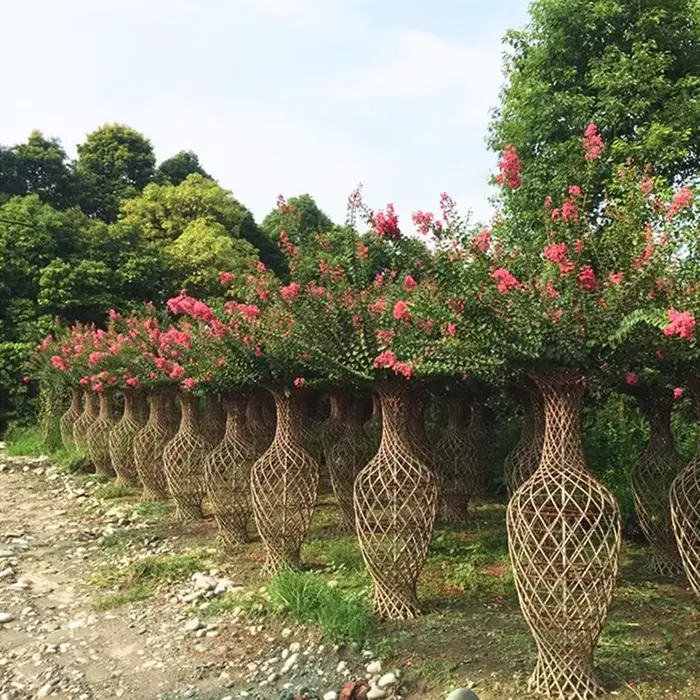
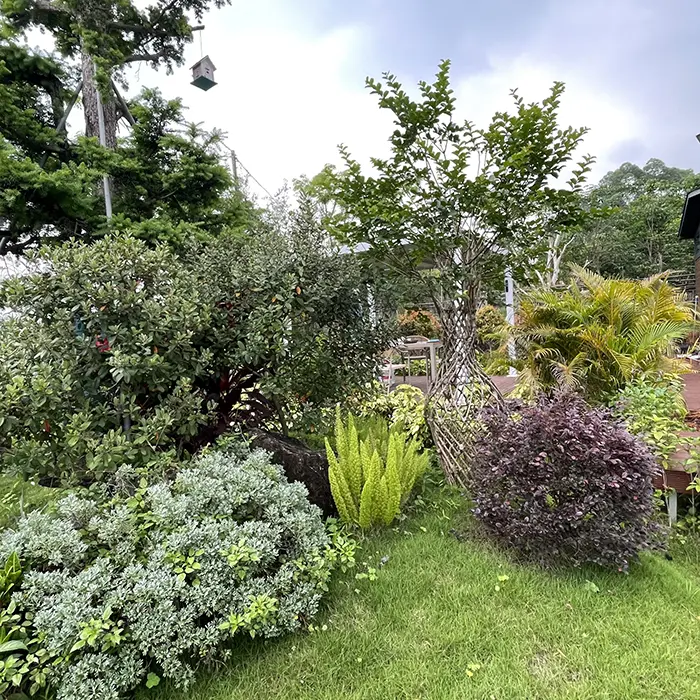
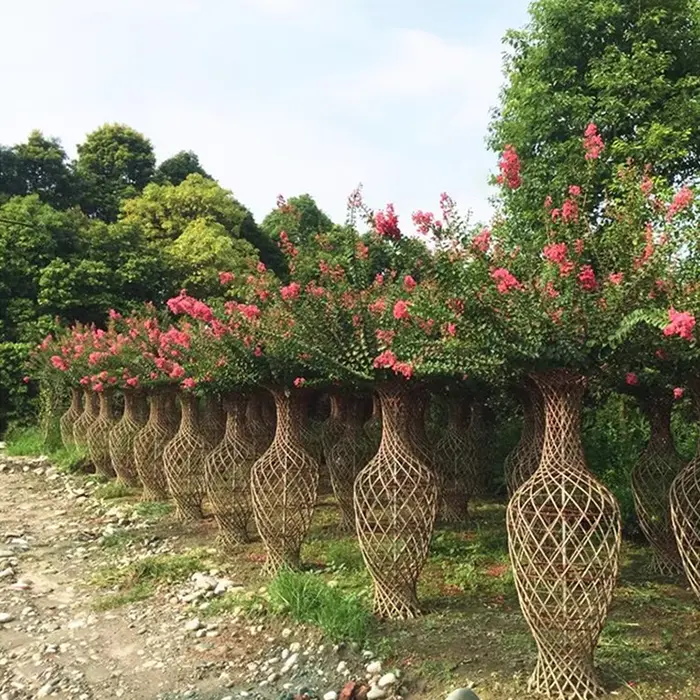
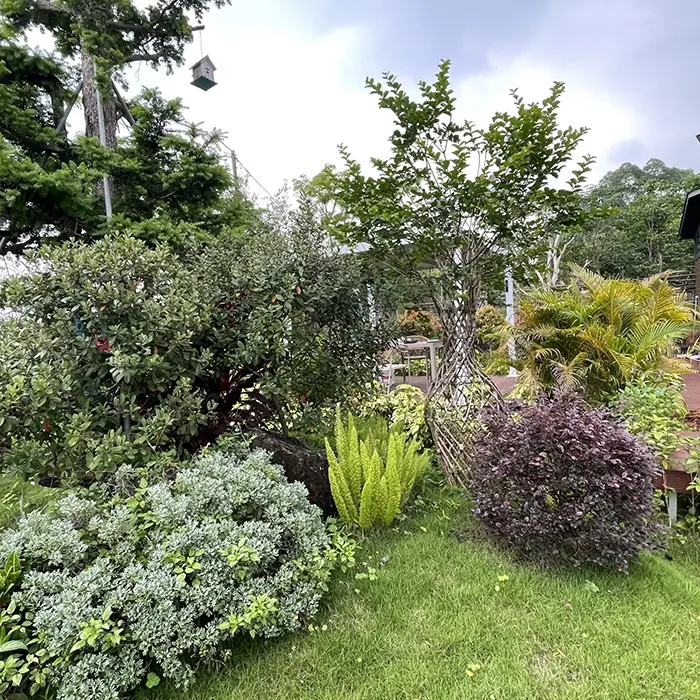
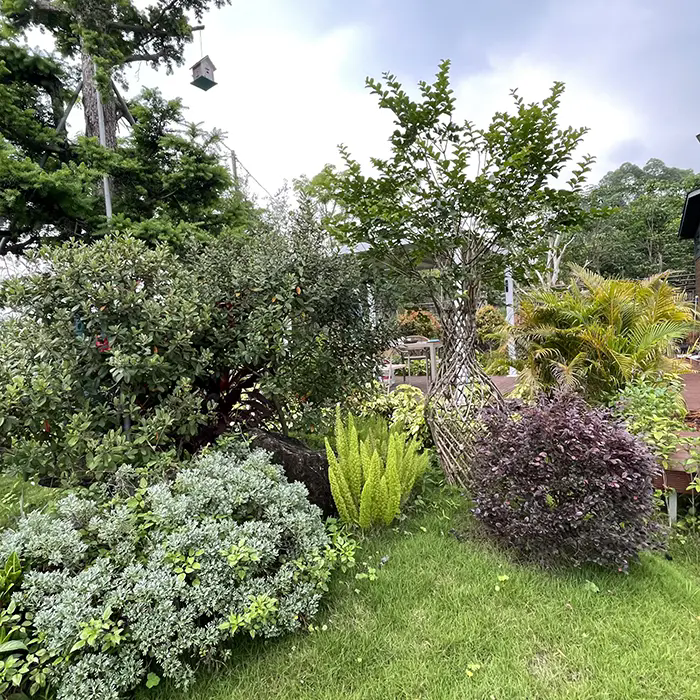
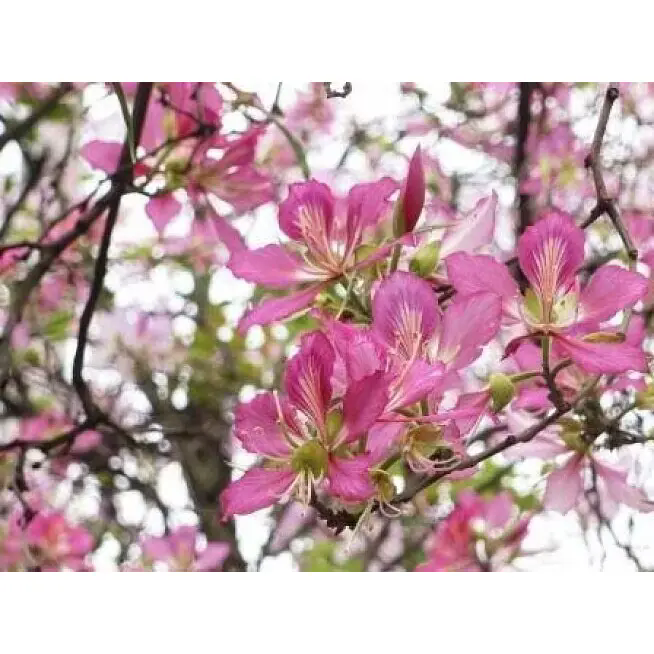
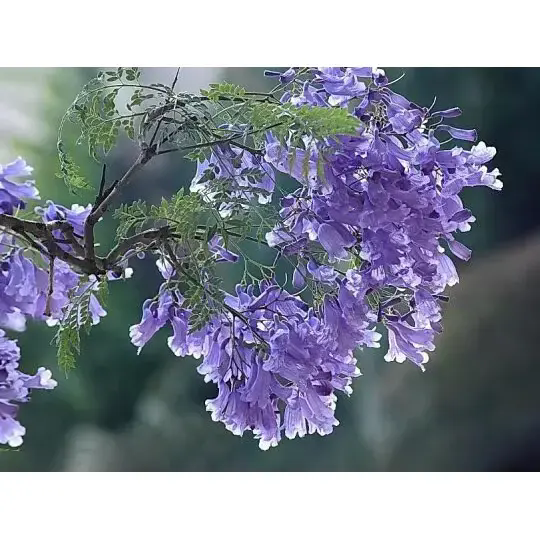
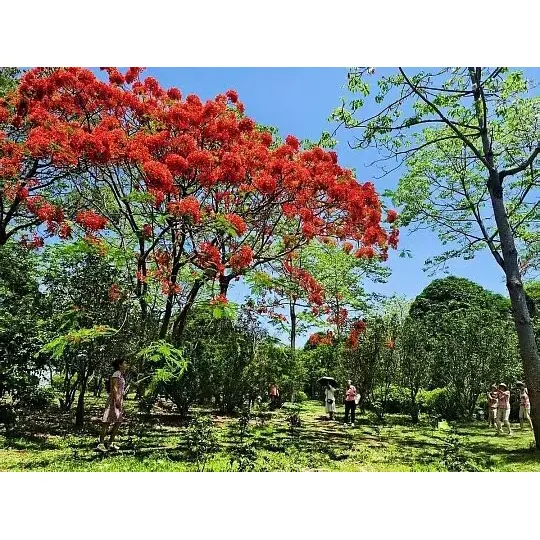
Crape Myrtle is mainly identified by its "small leaves, small flowers and tall trees". It is native to southern Asia to northern Oceania and is widely cultivated in southern gardens. As a large-scale supplier, Rogours offers a wide range of high-quality seedlings in various specifications. It has formed long-term and stable cooperation agreements with many domestic and foreign landscape companies and traders. With favorable prices and excellent quality, it is exported to markets in Southeast Asia, the Middle East and Europe.
Crape Myrtle grows in forests at an altitude of 300-500 meters. It prefers warm and humid climate, requires partial sunlight but can tolerate shade, is cold-resistant and slightly drought-tolerant. It grows best in well-drained limestone soil and fertile sandy loam. The flowers have a graceful posture, bright colors, and a long blooming period. It is an excellent landscape tree, street tree, and shade tree. It can be planted singly, in rows, or in clusters. Not only is it of ornamental value, but its roots and flowers can also be used as medicine. They have the effects of clearing heat, promoting diuresis, promoting blood circulation, and stopping bleeding. They can be used to treat dysentery, edema, eczema, abscesses and sores, migraines, toothaches, and dysmenorrhea. This plant often grows naturally.
Planting techniques:
When planting Crape Myrtle, it is essential to follow the key principles of adequate sunlight, proper water control, frequent fertilization, and thorough pruning. In a full-sun environment and well-drained fertile sandy soil, during the growing period, water the plants when the soil is dry and keep it moist. In early spring, apply organic fertilizer to promote the growth of branches and leaves. In midsummer, apply phosphorus and potassium fertilizers to facilitate flower bud differentiation. Do not apply excessive nitrogen fertilizer as it can lead to only growth without flowering. The flowers bloom on the new branches of the current year. In winter, heavy pruning is necessary. Cut back the one-year-old branches and remove diseased, pest-infested, and crossed branches to concentrate nutrients and promote the growth of strong branches in the spring. In daily maintenance, as long as good ventilation and light are maintained, and pesticides are sprayed in a timely manner to prevent diseases and pests such as powdery mildew, aphids, and woolly aphids, the plant can thrive with abundant flowers and leaves.c
FAQ;
What are the methods of reproduction?
The common methods include sowing, cutting and layering.
What causes the yellowing and falling of leaves?
If the yellowing occurs during the non-fall season, it is usually due to excessive watering or poor drainage, resulting in root rot. Soil being alkaline or lacking in iron can also cause iron deficiency chlorosis. The solution is to control the water, improve drainage, or apply ferrous sulfate to improve the soil. You can consult Rogours, I have been training for over 20 years and have rich experience.
How to ensure the integrity of the root ball and the survival rate of the trees during long-distance transportation?
We have professional personnel for handling. They will strictly follow industry standards to carry the root ball, and the diameter of the root ball is generally 6-8 times that of the tree diameter. For domestic long-distance transportation, straw ropes, non-woven fabrics or shading nets are usually tightly wrapped. For export orders, the soil is removed, the roots are washed, sterilized and moisture-protective packaging with moss is used.
When is the best time for purchasing and planting?
The best time for purchasing and transplanting is from late autumn to early spring (from November to March of the following year).
The best time for purchasing and planting throughout the year is?
The best time for purchasing and transplanting is from late autumn to early spring (November to March of the following year). The crape myrtle is in the dormant period of falling leaves, and the tree body has less water evaporation, so the survival rate of transplanting is the highest, usually above 95%.