4# Building No.268 Haijing Road, Haicang Free Trade Port Zone, Xiamen, China +86-592-6086057 robert.chen@rogours.com
Follow Us -
News

How Does Royal Poinciana Create Stunning Tropical Landscapes?

2026-07-29 0 Leave me a message

Article Summary

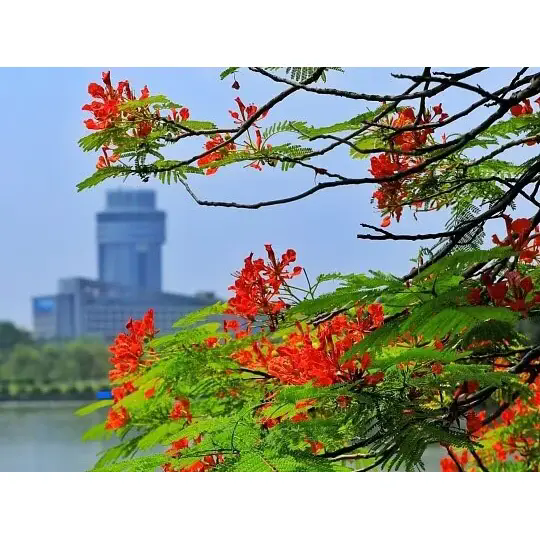
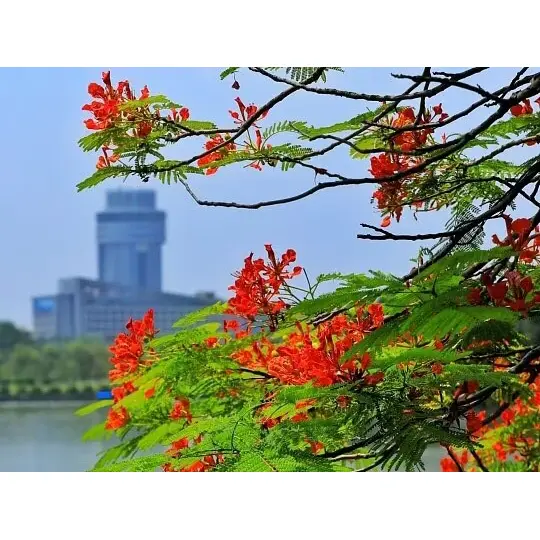
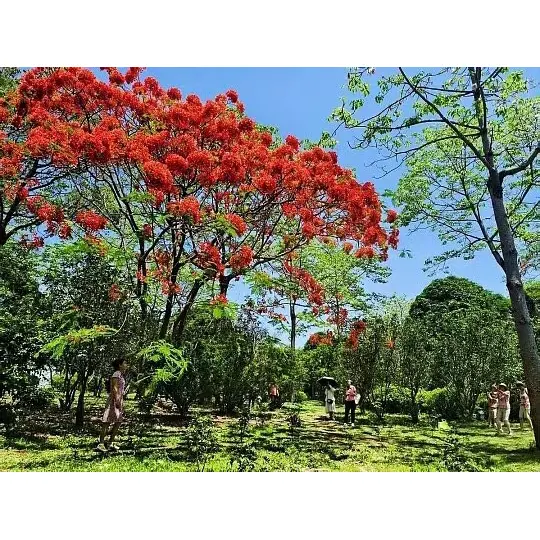
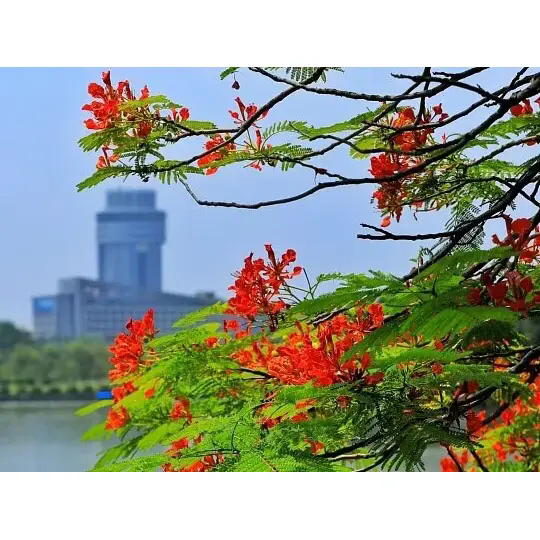
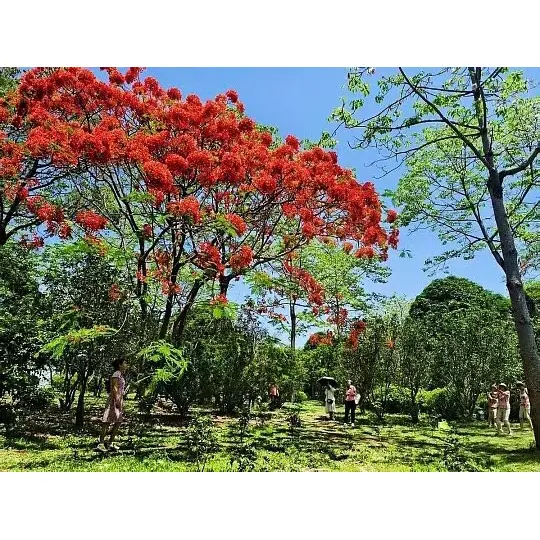
Royal Poinciana, also known as the flame tree, is one of the most admired tropical flowering trees in the world. With its wide umbrella-shaped crown, delicate fern-like leaves, and spectacular red-orange blossoms, it has become a popular choice for landscaping projects, gardens, resorts, streetscapes, and commercial outdoor spaces.

This article explains how Royal Poinciana enhances landscapes, what growing conditions it requires, how to overcome common planting challenges, and why choosing a reliable tree supplier like Rogours can help customers achieve healthy and beautiful green environments.

Royal Poinciana Liners

Table of Contents


1. What Makes Royal Poinciana a Unique Landscape Tree?

Royal Poinciana is recognized as one of the most visually impressive flowering trees in tropical and subtropical regions. Its scientific name is Delonix regia, and it belongs to the Fabaceae family. The tree is famous for its bright flowers that create a dramatic seasonal display, often transforming ordinary outdoor areas into colorful natural attractions.

Unlike many ornamental trees that provide only shade or greenery, Royal Poinciana combines multiple landscape functions. Its large canopy provides cooling shade, while its vibrant flowers create a strong visual identity for gardens, parks, hotels, and residential communities.

The tree usually develops a broad, spreading crown with branches extending horizontally. This unique growth pattern makes it especially suitable for open spaces where designers want to create a natural canopy effect.

However, successful cultivation requires careful consideration of climate, soil conditions, irrigation management, and planting location. Understanding these factors helps customers avoid common problems such as slow growth, weak branches, or poor flowering performance.


2. How Royal Poinciana Improves Outdoor Spaces

A well-planted Royal Poinciana can significantly improve both the appearance and functionality of outdoor environments. From private gardens to large-scale landscaping projects, this tree offers several important advantages.

  • Exceptional Visual Appeal: The brilliant red and orange flowers create a strong decorative effect, making landscapes more attractive and memorable.
  • Natural Shade Creation: The wide canopy helps reduce direct sunlight exposure and provides comfortable shaded areas for outdoor activities.
  • Tropical Landscape Enhancement: Royal Poinciana adds an exotic tropical atmosphere that is highly valued in resorts, parks, and luxury properties.
  • Environmental Benefits: Like other trees, it contributes to improved air quality, carbon absorption, and ecological balance.
  • Long-Term Landscape Value: With proper care, Royal Poinciana can become a long-lasting landscape feature that increases the visual quality of a property.

For architects, landscape contractors, and property developers, selecting the right tree species is an important decision. A suitable ornamental tree should not only look attractive but also adapt well to local environmental conditions.


3. How to Successfully Grow Royal Poinciana

Growing Royal Poinciana successfully requires attention to several essential factors. Although it is considered a strong tropical tree, proper planting methods determine its long-term performance.

Climate Requirements

Royal Poinciana grows best in warm climates with plenty of sunlight. It prefers tropical and subtropical environments where temperatures remain favorable throughout the year.

Adequate sunlight is especially important because insufficient light can reduce flowering and slow overall development. Locations with full sun exposure generally produce healthier trees with stronger blooming performance.

Soil Conditions

Well-drained soil is essential for Royal Poinciana. Excessive water accumulation around the roots may cause stress and affect tree health. Sandy loam or fertile soil with good drainage is usually suitable.

Water Management

Young trees require regular watering to establish strong root systems. Mature trees become more drought-tolerant but still benefit from proper moisture management during dry periods.

Planting Space

Because Royal Poinciana develops a wide canopy, sufficient space should be reserved during planting. Crowded conditions may restrict natural growth and create maintenance challenges.

  • Select an open location with enough sunlight.
  • Prepare soil with good drainage before planting.
  • Provide additional support for young trees when necessary.
  • Maintain proper distance from buildings and underground structures.

4. Common Royal Poinciana Planting Problems and Solutions

Although Royal Poinciana is a popular ornamental tree, customers often face several challenges during cultivation. Identifying these problems early helps maintain healthy growth.

  • Slow Growth: Poor sunlight, unsuitable soil, or insufficient nutrients may limit development. Improving growing conditions can encourage stronger growth.
  • Limited Flowering: A lack of sunlight or improper care may reduce blooming. Ensuring adequate sunlight and balanced nutrition helps improve flower production.
  • Root Problems: Poor drainage can damage roots. Proper soil preparation is necessary before planting.
  • Branch Management: The wide canopy may require occasional pruning to maintain structure and safety.
  • Transportation Stress: Large trees may experience stress during delivery and transplantation. Professional handling methods help improve survival rates.

For buyers purchasing Royal Poinciana trees for landscaping projects, working with an experienced supplier reduces risks related to quality, transportation, and planting success.


5. How to Choose High-Quality Royal Poinciana Trees

Selecting healthy Royal Poinciana trees is a critical step for achieving successful landscaping results. Customers should evaluate several factors before making a purchase decision.

  • Healthy Root System: Strong roots improve transplantation success and future growth.
  • Balanced Structure: A well-developed trunk and symmetrical branches create better landscape performance.
  • Suitable Size: Tree size should match transportation requirements and project expectations.
  • Professional Cultivation: Trees grown under proper nursery conditions usually adapt better after planting.
  • Reliable Supplier Support: Experienced suppliers can provide guidance regarding selection, transportation, and planting.

Purchasing ornamental trees is not only about appearance. Long-term survival, adaptability, and maintenance requirements are equally important considerations.


6. Why Choose Rogours for Royal Poinciana Supply

Rogours focuses on providing quality tree products and professional solutions for customers seeking attractive and reliable landscape plants. With experience in ornamental tree supply, Rogours understands the importance of healthy cultivation, careful selection, and customer-specific requirements.

When customers choose Royal Poinciana for landscaping projects, they often need more than just a tree. They need confidence that the plants will arrive in good condition, adapt to their environment, and create the desired visual effect.

Rogours supports different types of landscape applications, including residential gardens, commercial properties, public spaces, and large-scale landscaping projects. By focusing on product quality and service reliability, Rogours helps customers build greener and more attractive environments.

Whether you are planning a tropical garden design, resort landscaping project, or urban green space improvement, selecting suitable Royal Poinciana trees from an experienced supplier can make a significant difference.


7. Frequently Asked Questions About Royal Poinciana

Q1: How fast does Royal Poinciana grow?

Royal Poinciana can grow relatively quickly under suitable tropical conditions. Growth speed depends on sunlight, soil quality, water availability, and overall care.

Q2: When does Royal Poinciana usually bloom?

The flowering period varies depending on climate and growing conditions. In warm regions, mature trees often produce spectacular blooms during warmer seasons.

Q3: Can Royal Poinciana grow in containers?

Young Royal Poinciana trees can be grown in large containers temporarily, but mature trees require sufficient outdoor space because of their extensive root and canopy development.

Q4: How much sunlight does Royal Poinciana need?

Royal Poinciana prefers full sunlight. Adequate sunlight supports stronger growth and more impressive flowering.

Q5: Why should customers buy Royal Poinciana from professional suppliers?

Professional suppliers provide healthier trees, better cultivation experience, and more reliable support throughout purchasing and planting processes.


Conclusion

Royal Poinciana is more than an ornamental tree. It is a powerful landscaping element that combines beauty, shade, environmental value, and tropical character. With proper planting methods and professional tree selection, it can transform outdoor spaces into attractive and welcoming environments.

Rogours is committed to supplying high-quality Royal Poinciana trees and helping customers achieve successful landscaping results. For reliable tree solutions, professional support, and customized planting requirements, please contact us today.

Related News
Leave me a message
X
We use cookies to offer you a better browsing experience, analyze site traffic and personalize content. By using this site, you agree to our use of cookies.Privacy Policy
RejectAccept