4# Building No.268 Haijing Road, Haicang Free Trade Port Zone, Xiamen, China +86-592-6086057 robert.chen@rogours.com
Follow Us -
News

How Does a Jacaranda Tree Create Stunning Landscapes and Long-Lasting Beauty?

2026-08-05 0 Leave me a message

Article Summary

The Jacaranda Tree is widely recognized for its breathtaking purple flowers, elegant shape, and strong visual appeal in gardens, streetscapes, and commercial landscapes. However, choosing, planting, and maintaining a Jacaranda Tree requires careful consideration of climate conditions, soil quality, growth patterns, and long-term care requirements.

Jacaranda Tree Liners

This comprehensive guide explains how a Jacaranda Tree develops, why it is valued by landscape designers and property owners, how to select the right tree, and how to solve common challenges during cultivation. With professional knowledge from Rogours, readers can better understand how Jacaranda Trees can transform outdoor spaces into attractive and sustainable environments.


Table of Contents


Article Outline

  • Main Topic: Understanding the growth, beauty, and practical value of Jacaranda Tree.
  • Target Audience: Landscape designers, property developers, gardeners, and tree buyers.
  • Core Information: Selection, planting methods, maintenance techniques, and solutions to common issues.
  • Purpose: Helping customers make informed decisions when choosing Jacaranda Trees for outdoor projects.

1. Overview of Jacaranda Tree Characteristics

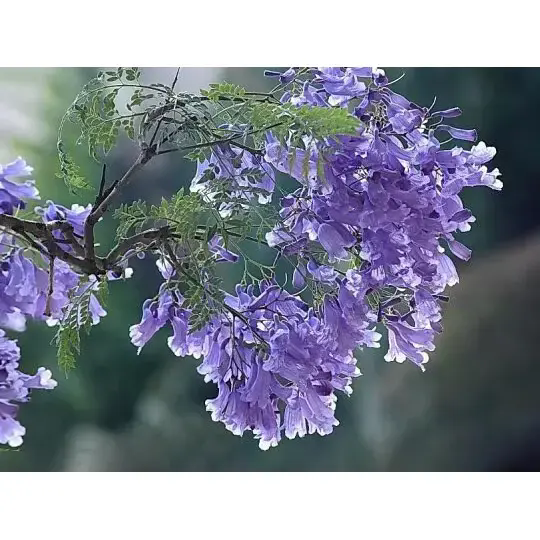
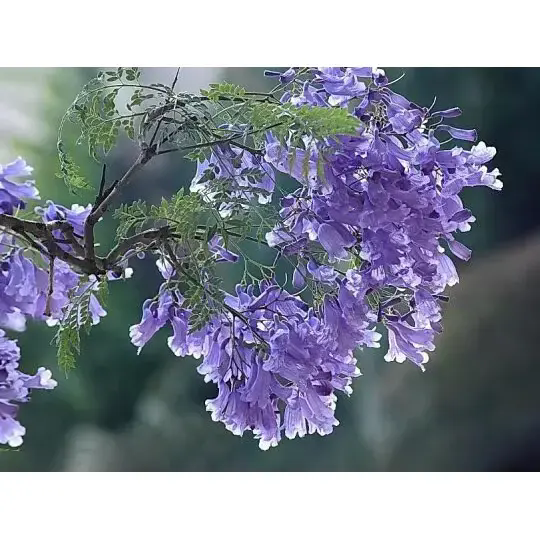
The Jacaranda Tree is a popular ornamental tree known for its vibrant purple-blue blossoms, wide canopy, and graceful branches. Native to warm regions, this tree has become a favorite choice for residential gardens, public parks, streets, resorts, and commercial landscapes around the world.

A mature Jacaranda Tree can create a dramatic visual effect when its flowers bloom. The combination of delicate fern-like leaves and colorful flowers provides a unique appearance that few other landscape trees can match.

Beyond its beauty, the Jacaranda Tree also offers practical benefits. Its expanding canopy can provide shade, improve outdoor comfort, and enhance the overall atmosphere of a landscape design.

Feature Description
Flower Color Purple to blue-violet flowers with seasonal blooming periods
Tree Shape Wide crown with elegant branching structure
Landscape Value Suitable for gardens, streets, parks, and decorative projects
Growth Environment Prefers warm climates with sufficient sunlight

2. How Does a Jacaranda Tree Create Unique Landscape Beauty?

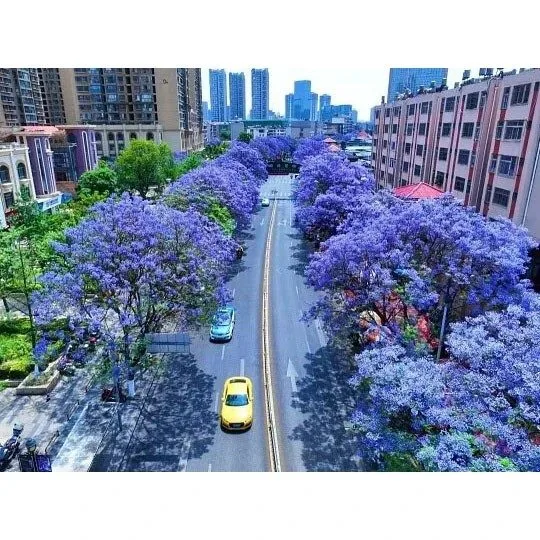
The greatest attraction of a Jacaranda Tree is its ability to completely transform an ordinary outdoor area into an eye-catching landscape. During the flowering season, thousands of trumpet-shaped flowers cover the branches, creating a purple canopy that attracts attention from a distance.

Landscape architects often use Jacaranda Trees as focal points because they provide both vertical structure and seasonal interest. Unlike simple green trees, Jacaranda Trees introduce color changes throughout the year, making gardens more dynamic.

The tree's natural shape also contributes to its popularity. The spreading branches create an open and relaxing appearance, making it ideal for creating shaded walking paths, garden entrances, and scenic areas.

  • Creates strong visual impact through colorful flowers.
  • Adds natural shade and improves outdoor comfort.
  • Enhances property appearance and landscape value.
  • Provides seasonal beauty and memorable scenery.

3. How Does a Jacaranda Tree Grow and Develop?

Understanding the growth process of a Jacaranda Tree helps buyers plan suitable planting locations. The tree generally develops quickly under favorable conditions, especially when provided with adequate sunlight, proper soil drainage, and sufficient space.

Young Jacaranda Trees require careful early-stage management. During the first years after planting, regular watering and protection from extreme environmental stress help establish a strong root system.

As the tree matures, its trunk becomes stronger and the canopy expands. Proper pruning during development helps maintain a balanced structure and prevents unwanted branch problems.

Growth Stage Main Requirements
Young Tree Stage Regular watering, sunlight, and root development support
Growth Stage Balanced nutrition and structural pruning
Mature Stage Periodic maintenance and canopy management

4. How to Choose the Right Jacaranda Tree for Your Project?

Selecting a suitable Jacaranda Tree is an important step for achieving successful landscaping results. Customers should consider tree size, climate compatibility, planting space, and project requirements before purchasing.

Rogours provides professional Jacaranda Tree solutions designed to meet different landscape applications. Choosing healthy trees with strong roots and suitable growth characteristics can significantly improve long-term performance.

  • Check whether the local climate supports Jacaranda growth.
  • Select trees with healthy trunks and balanced branches.
  • Consider available planting space before installation.
  • Match tree size with the overall landscape design.

5. How to Plant a Jacaranda Tree Successfully?

Proper planting is essential for helping a Jacaranda Tree establish quickly. A suitable location should receive plenty of sunlight because insufficient light may reduce flowering performance.

The planting soil should provide good drainage. Although Jacaranda Trees can adapt to different environments, waterlogged soil can negatively affect root health.

  1. Select a sunny planting location.
  2. Prepare soil with proper drainage conditions.
  3. Place the tree carefully without damaging the roots.
  4. Provide sufficient water after planting.
  5. Apply appropriate care during the establishment period.

6. How to Maintain a Healthy Jacaranda Tree?

Regular maintenance allows Jacaranda Trees to remain attractive and healthy for many years. Although these trees are relatively adaptable, consistent care improves growth quality.

  • Water Management: Provide enough water during dry periods, especially for young trees.
  • Pruning: Remove weak or damaged branches to maintain structure.
  • Nutrition: Supply balanced nutrients when necessary.
  • Root Protection: Avoid excessive soil compaction around the root area.

A well-maintained Jacaranda Tree not only grows better but also produces more impressive flowering displays.


7. Common Jacaranda Tree Problems and Solutions

Like all living plants, Jacaranda Trees may experience challenges caused by environmental conditions or improper care. Understanding these issues helps owners take effective action.

Common Issue Possible Cause Solution
Poor Flowering Insufficient sunlight or improper care Improve growing conditions and maintenance
Weak Growth Soil problems or water imbalance Adjust soil and watering practices
Branch Problems Lack of pruning management Remove unhealthy branches regularly

8. Why Are Jacaranda Trees Popular in Modern Landscaping?

Modern landscape projects increasingly focus on combining beauty, environmental value, and user experience. The Jacaranda Tree meets these requirements by providing decorative appeal and natural benefits.

From luxury residential gardens to large public spaces, Jacaranda Trees can create memorable environments. Their distinctive appearance makes them especially valuable for projects that require strong visual identity.

Rogours focuses on supplying quality Jacaranda Tree products that support professional landscaping projects. With careful selection and proper planting methods, customers can achieve long-lasting landscape results.


9. Frequently Asked Questions About Jacaranda Tree

Q1: How fast does a Jacaranda Tree grow?

A Jacaranda Tree can grow relatively quickly when planted in suitable conditions with enough sunlight, proper soil, and regular care.

Q2: How much sunlight does a Jacaranda Tree need?

Jacaranda Trees perform best in locations with abundant sunlight because sunlight supports healthy growth and flower production.

Q3: Can Jacaranda Trees be used for commercial landscapes?

Yes. Jacaranda Trees are widely used in parks, streets, hotels, resorts, and commercial landscape projects because of their decorative value.

Q4: How can I keep a Jacaranda Tree healthy?

Regular watering, suitable soil conditions, proper pruning, and protection of the root system are important for maintaining tree health.


Conclusion

The Jacaranda Tree is more than a beautiful ornamental plant. It is a valuable landscaping solution that combines visual appeal, shade benefits, and long-term environmental value. By understanding its growth characteristics, planting requirements, and maintenance methods, customers can make better decisions for their outdoor projects.

Rogours provides reliable Jacaranda Tree options for customers seeking high-quality landscape plants and professional support. If you are planning a garden, commercial landscape, or decorative outdoor project, contact us today to explore the right Jacaranda Tree solution for your needs.

Related News
Leave me a message
X
We use cookies to offer you a better browsing experience, analyze site traffic and personalize content. By using this site, you agree to our use of cookies.Privacy Policy
RejectAccept