4# Building No.268 Haijing Road, Haicang Free Trade Port Zone, Xiamen, China +86-592-6086057 robert.chen@rogours.com
Follow Us -
News

Why Is a Potted Royal Poinciana Tree a Smart Choice for Tropical-Style Landscaping

2026-09-11 0 Leave me a message

Article Summary: A Potted Royal Poinciana Tree combines spectacular red summer flowers, delicate fern-like foliage, and flexible container cultivation, making it an attractive choice for patios, courtyards, balconies, resorts, nurseries, and commercial landscaping. ROGOURS supplies professionally cultivated trees with batch quality control and nursery-direct wholesale support, helping buyers create a distinctive tropical landscape while maintaining greater control over plant size and placement.

Potted Royal Poinciana Tree

Table of Contents


What Is a Potted Royal Poinciana Tree?

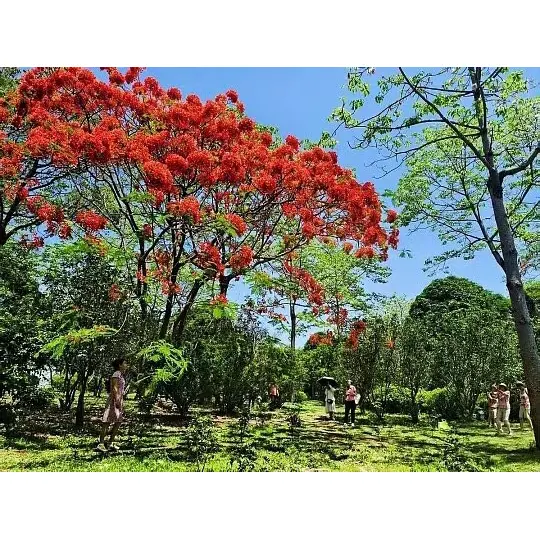
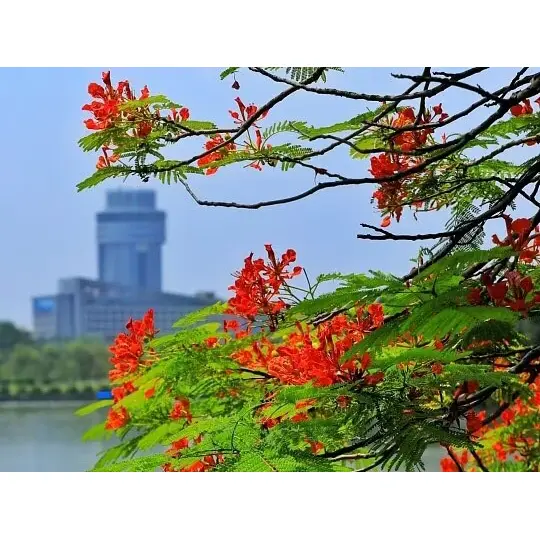
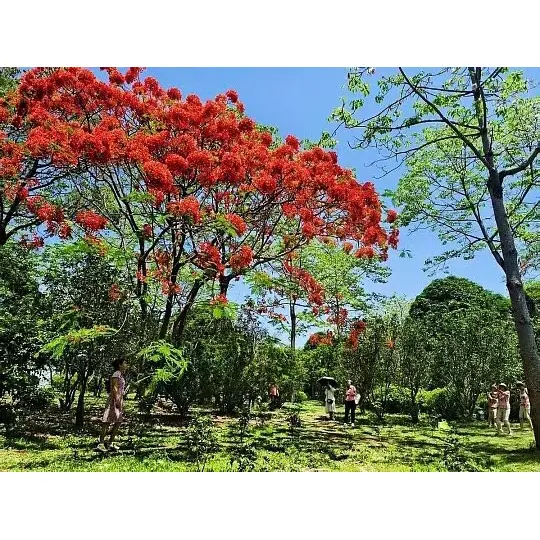
Known botanically as Delonix regia, the Royal Poinciana is one of the world's most recognizable flowering landscape trees. It is especially valued for its bright red to orange-red flowers, broad umbrella-shaped crown, and finely divided double-pinnate leaves.

A Potted Royal Poinciana Tree is cultivated in a container rather than being permanently established in open ground. This growing method allows nurseries and landscape professionals to manage root development, plant size, pruning, transportation, and placement more effectively.

According to ROGOURS, container cultivation and controlled pruning can help overcome some of the size limitations associated with mature Royal Poinciana trees. This makes the plant suitable not only for traditional gardens but also for courtyards, balconies, patios, resort landscapes, and creative bonsai-style applications.

The species naturally prefers warm, sunny conditions. Its strong visual character means that even one well-positioned specimen can become a focal point in a landscape design.


Why Choose Container-Grown Royal Poinciana?

For landscape contractors, plant wholesalers, nurseries, and property developers, container-grown trees provide several practical advantages over immediately planting large trees directly into the ground.

Controlled Plant Size

Root limitation and regular pruning allow growers to manage the overall form of the plant. This is particularly useful when the available planting area is restricted or when a project requires trees with relatively consistent dimensions.

Flexible Placement

Unlike permanently planted trees, container-grown specimens can be positioned and repositioned according to seasonal landscape requirements. This flexibility is valuable for hotels, resorts, event venues, restaurants, commercial courtyards, and high-end residential projects.

Strong Visual Impact

The combination of vivid flowers and feather-like foliage gives Royal Poinciana exceptional ornamental value. During its flowering season, its red-orange blooms can transform an otherwise ordinary outdoor area into a visually memorable space.

Broader Commercial Potential

Container cultivation can make a tropical ornamental species more practical for buyers who need manageable plant sizes or who operate in locations where permanent outdoor planting requires additional climate planning.

Feature Container-Grown Royal Poinciana Typical Landscaping Benefit
Plant management Root and canopy size can be controlled More predictable placement
Visual appeal Bright red-orange flowers and fine foliage Strong landscape focal point
Sun requirement Full sun preferred Suitable for open outdoor spaces
Growing temperature Warm conditions preferred Well suited to tropical and subtropical projects
Applications Patios, courtyards, balconies and gardens Flexible landscape integration

What Growing Conditions Does It Need?

Understanding the environmental requirements is essential when selecting Royal Poinciana for a landscaping project. The tree is a tropical species and performs best when its basic climatic and soil requirements are respected.

Sunlight

Full sunlight is one of the most important requirements. ROGOURS recommends at least six hours of direct sunlight per day. Adequate light supports healthy vegetative growth, photosynthesis, and flower bud development.

Temperature

Warm temperatures are preferred, with approximately 20°C to 35°C being a favorable range for active growth. The plant is sensitive to frost, and temperatures below approximately 5°C can result in cold damage.

Soil and Drainage

A well-drained sandy or loamy substrate is preferable. Although Royal Poinciana can tolerate relatively poor soil conditions, waterlogged roots can create serious growing problems. A slightly acidic to neutral, well-aerated growing medium supports stronger development.

Water Management

Young and actively growing plants need adequate water, but watering should be balanced with good drainage. Once established, the species demonstrates moderate drought tolerance. The key is to avoid allowing the root zone to remain excessively wet for extended periods.

  • Provide strong direct sunlight.
  • Use a well-draining growing medium.
  • Maintain adequate moisture during active growth.
  • Avoid prolonged waterlogging.
  • Protect plants from frost and severe cold.

Where Can It Be Used in Landscaping?

The versatility of a potted specimen makes Royal Poinciana suitable for projects where visual impact is more important than simply filling planting space.

Residential Courtyards and Patios

A container-grown tree can add a dramatic tropical character to private courtyards, terraces, and spacious patios. Its flowering canopy can serve as the central visual feature of an outdoor living area.

Hotels and Resorts

Resort developers frequently use distinctive flowering plants to create a recognizable vacation atmosphere. The Royal Poinciana's bright flowers and broad canopy naturally complement tropical-themed hospitality environments.

Commercial Landscaping

Restaurants, shopping areas, office developments, and commercial courtyards can use potted specimens to introduce seasonal color without committing immediately to permanent in-ground planting.

Nurseries and Garden Centers

For professional plant retailers, container-grown specimens can provide a more manageable product format. Buyers can select trees according to available space, intended landscape design, and expected growing conditions.

Creative Bonsai and Specimen Displays

Controlled growth and pruning can also support creative specimen presentations. With appropriate horticultural management, Royal Poinciana can be trained into distinctive forms for collectors and ornamental plant enthusiasts.


How Should You Care for It?

Although Royal Poinciana is relatively adaptable, consistent care is necessary to maintain a healthy appearance and encourage flowering.

1. Maintain Sufficient Light

Place the container in an area with strong direct sunlight. Insufficient light may reduce vigor and limit flowering potential.

2. Control Watering

Water according to temperature, plant growth, container size, and substrate conditions. During active growth, the plant generally needs sufficient moisture, while winter management should be considerably drier in cold environments.

3. Apply Appropriate Fertilization

During the flowering period, adequate phosphorus and potassium can support reproductive growth. Fertilization should be adjusted according to the plant's growth stage rather than applied excessively.

4. Prune Strategically

Pruning can help maintain a compact shape, improve branch structure, and keep the tree suitable for its container and landscape position. Avoid unnecessary heavy pruning that compromises the plant's natural form.

5. Prepare for Winter

Cold protection is particularly important outside tropical climates. The growing medium should be managed carefully during cold periods, and appropriate protection should be provided when temperatures approach damaging levels.


What Should Buyers Consider Before Purchasing?

Choosing the right nursery supplier is just as important as choosing the species. Commercial buyers should evaluate the plant's growing condition, size, root system, cultivation method, quality-control process, and transportation arrangements.

ROGOURS describes itself as a professional nursery supplier and wholesaler with a mature cultivation system and batch quality-control process. Its Potted Royal Poinciana Tree is supplied for applications ranging from private landscaping to commercial and wholesale projects.

Before placing a bulk order, buyers should confirm:

  • Available plant sizes and specifications.
  • Container and root-ball condition.
  • Current plant health and growth stage.
  • Packaging and transportation arrangements.
  • Climate suitability for the destination.
  • Wholesale pricing and minimum order requirements.
  • Warranty and after-sales arrangements.

For international projects, it is also important to discuss shipping schedules and plant-handling requirements in advance. Proper logistics planning helps reduce unnecessary stress during transportation and improves the chances of successful establishment after delivery.

For additional information, buyers can explore the Potted Royal Poinciana Tree product page for cultivation information and wholesale inquiry options.


Frequently Asked Questions

Can a Potted Royal Poinciana Tree be grown in a colder climate?

It can be maintained in a container where temperature and winter protection can be managed, but Royal Poinciana is fundamentally a tropical species. Frost and temperatures below approximately 5°C can cause damage, so colder regions require careful winter protection or suitable protected growing conditions.

How much sunlight does Royal Poinciana need?

Full sun is recommended. ROGOURS specifies at least six hours of direct sunlight per day because strong light is important for healthy growth and flower development.

Is Royal Poinciana suitable for patios and balconies?

Yes, particularly when the plant is grown in an appropriately sized container and receives sufficient sunlight. Its manageable container form makes it suitable for patios, courtyards, terraces, and selected balcony environments with adequate structural and growing conditions.

Does Royal Poinciana require frequent watering?

Water requirements vary with temperature, plant size, container volume, and growth stage. Active growth requires sufficient moisture, while excessive standing water should be avoided. Once established, the species has moderate drought tolerance.

Why choose a nursery-grown container specimen?

A nursery-grown specimen can offer better control over plant size, root development, pruning, and preparation for landscape installation. For wholesalers and professional landscaping projects, these factors can make project planning and placement more predictable.


Conclusion

A Potted Royal Poinciana Tree offers a compelling combination of dramatic seasonal color, distinctive foliage, controllable growth, and flexible landscape use. With full sunlight, appropriate drainage, balanced watering, suitable nutrition, and effective cold protection, it can become a standout feature in residential, hospitality, commercial, and nursery applications.

For wholesalers, landscape contractors, garden centers, and project developers looking for professionally cultivated tropical ornamental trees, ROGOURS provides nursery-direct supply and wholesale support. If you are planning a landscaping project or need bulk nursery trees for commercial distribution, contact us to discuss available Potted Royal Poinciana Tree options, project requirements, pricing, and supply arrangements.

Related News
Leave me a message
X
We use cookies to offer you a better browsing experience, analyze site traffic and personalize content. By using this site, you agree to our use of cookies.Privacy Policy
RejectAccept