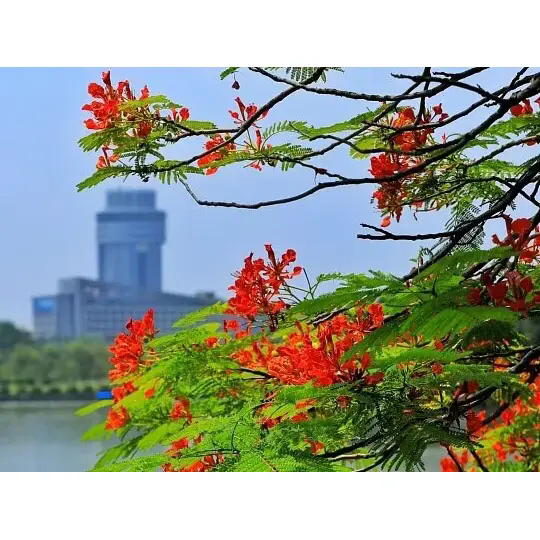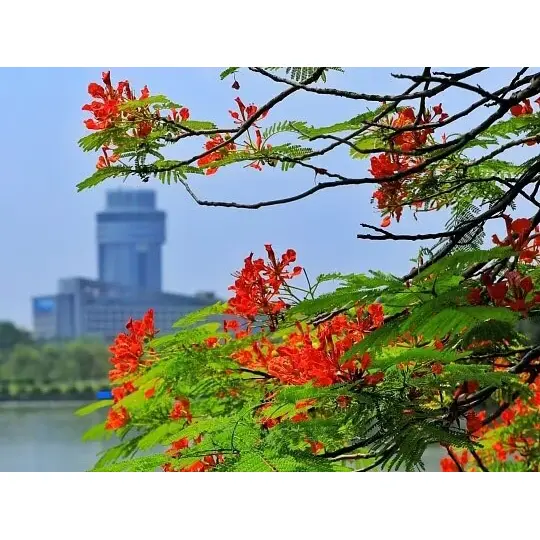
ROGOURS supplies professionally cultivated Potted Royal Poinciana Tree options for wholesale nursery, patio, courtyard, resort, and commercial landscaping applications. With fiery red flowers, feather-like foliage, controllable plant size, and container-grown adaptability, this tropical ornamental tree offers buyers a practical way to introduce a distinctive landscape feature into suitable warm-climate environments.
A Potted Royal Poinciana Tree combines strong ornamental appeal with the flexibility of container cultivation. Its umbrella-shaped crown, delicate double-pinnate foliage, and vivid red to orange-red flowers make it an effective focal point for gardens, patios, resorts, courtyards, and landscape projects. ROGOURS supports wholesale buyers with nursery-direct sourcing, batch quality control, warranty support, and commercial landscaping supply. For successful cultivation, buyers should prioritize full sunlight, well-drained soil, appropriate watering, warm temperatures, and protection from frost.
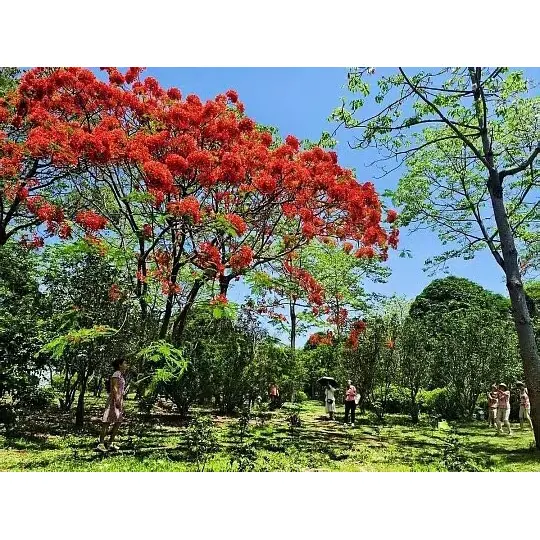
Table of Contents
- What Is a Potted Royal Poinciana Tree?
- Why Choose a Container-Grown Royal Poinciana?
- What Are the Main Growing Requirements?
- Where Can It Be Used in Landscaping?
- What Makes It Valuable for Commercial Buyers?
- How Should a Potted Royal Poinciana Be Maintained?
- Frequently Asked Questions
What Is a Potted Royal Poinciana Tree?
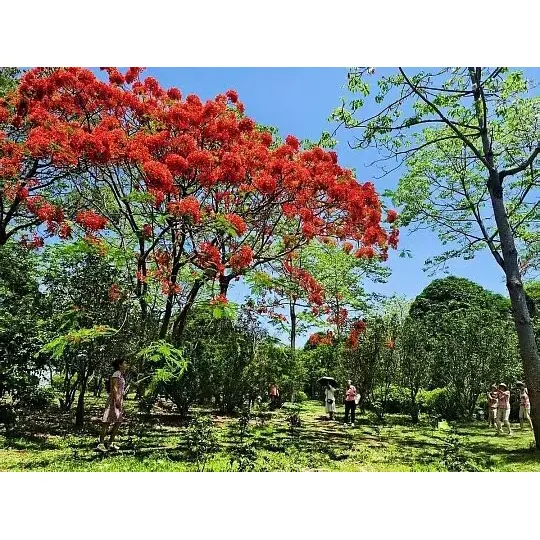
Royal Poinciana, botanically known as Delonix regia, is widely recognized for its spectacular flowering display and broad, spreading canopy. The tree produces delicate, fern-like double-pinnate leaves and bright flowers that can create a strong visual focal point during the warm flowering season.
Growing the tree in a container changes how it can be managed. Instead of allowing unrestricted root development, container cultivation can help control plant size through root limitation and pruning. This makes the tree more practical for locations where planting a full-sized specimen directly into the ground is unsuitable.
According to the growing information provided by ROGOURS, the tree performs best in warm conditions and requires strong sunlight for healthy vegetative growth and flower-bud development. Container cultivation can therefore be particularly useful for buyers who want greater control over placement, transportation, seasonal protection, and plant form.
Why Choose a Container-Grown Royal Poinciana?
The primary advantage of container-grown cultivation is flexibility. A mature Royal Poinciana can eventually become a substantial landscape tree, while a potted specimen can be managed at a more practical scale during cultivation, transport, display, and installation.
Flexible Landscape Placement
A container-grown tree can be positioned in courtyards, patios, entrances, terraces, garden displays, and other carefully selected outdoor areas. It is also easier to relocate than a permanently established landscape tree when project requirements change.
Distinctive Tropical Appearance
The combination of red flowers and light, feather-like foliage provides strong seasonal contrast. Its naturally spreading crown can also contribute shade and create a relaxed tropical atmosphere when sufficient space and suitable climate conditions are available.
Controlled Plant Form
Pruning and container cultivation can help buyers maintain a more manageable plant structure. This is especially relevant to nurseries, landscape contractors, garden centers, hospitality projects, and property developers that require plants with predictable presentation and handling characteristics.
| Feature | Typical Requirement or Characteristic | Landscape Benefit |
|---|---|---|
| Light | At least 6 hours of direct sunlight | Supports vigorous growth and flowering |
| Temperature | Approximately 20–35°C preferred | Suitable for warm outdoor environments |
| Cold tolerance | Best in frost-free USDA Zones 10–12 | Helps buyers evaluate climate suitability |
| Soil | Well-drained sandy or loamy substrate | Supports healthy root development |
| Salt tolerance | Moderate | Potentially useful for suitable coastal landscapes |
| Drought tolerance | Moderate after establishment | Can reduce dependence on frequent watering in appropriate conditions |
What Are the Main Growing Requirements?
Although the Royal Poinciana is relatively adaptable in warm climates, successful container cultivation depends on managing several environmental factors. Buyers should evaluate the local climate before selecting this species for a landscaping project.
1. Provide Strong Sunlight
Royal Poinciana is a strong sun-loving species. Full sunlight is important for photosynthesis, healthy foliage, and flower-bud formation. A location receiving around six or more hours of direct sunlight per day is recommended by the supplied cultivation guidance.
2. Use a Well-Drained Growing Medium
Container soil should drain efficiently while retaining enough moisture to support active growth. Sandy or loamy substrates with good drainage are preferable. Waterlogged conditions can negatively affect root health, so drainage holes and suitable substrate selection are particularly important for potted specimens.
3. Manage Water Carefully
The tree requires adequate water during active vegetative growth, but watering should be adjusted according to temperature, container size, soil condition, and seasonal growth. The goal is to avoid both prolonged dryness during active growth and excessive moisture around the roots.
4. Protect Against Cold
Royal Poinciana is fundamentally a tropical and warm-climate tree. Frost can cause serious damage, and the supplied cultivation information indicates that cold injury can occur below approximately 5°C. In cooler regions, container cultivation provides an advantage because plants can potentially be moved to a protected environment during cold periods.
Where Can It Be Used in Landscaping?
The visual character of the Royal Poinciana makes it useful for projects where seasonal color and tropical atmosphere are important. The exact application should always consider climate, available space, container capacity, and local planting regulations.
- Resort landscaping: Creates a tropical visual identity around entrances, walkways, courtyards, and leisure areas.
- Patios and terraces: Provides a colorful ornamental feature without requiring immediate permanent ground planting.
- Private courtyards: Adds seasonal color and a distinctive architectural plant form.
- Garden centers: Offers an eye-catching ornamental tree for customers seeking tropical-style plants.
- Commercial landscape projects: Can serve as a focal planting element around hospitality and retail environments.
- Creative bonsai applications: Controlled growth and pruning can support artistic container presentation.
For larger landscaping programs, buyers may also compare container-grown specimens with Royal Poinciana landscape trees according to project scale, transportation requirements, and final planting conditions.
What Makes It Valuable for Commercial Buyers?
For professional buyers, appearance is only one part of the sourcing decision. Consistency, cultivation management, logistics, and after-sales support can also affect the success of a commercial plant order.
Nursery-Direct Supply
ROGOURS describes its Potted Royal Poinciana supply as nursery-direct, providing wholesale buyers with access to cultivated trees for landscaping and distribution projects. This model can simplify communication between commercial buyers and the supplier.
Batch Quality Control
Batch quality control is particularly relevant when a buyer needs multiple plants for the same project. Consistent inspection can help identify obvious differences in plant condition before shipment and improve purchasing predictability.
Wholesale and Project Support
Commercial landscaping projects may involve multiple stages, including plant selection, quantity planning, packaging, transportation, installation, and replacement planning. A supplier capable of supporting wholesale inquiries and project-based purchasing can help streamline these processes.
Warranty Support
ROGOURS states that its cultivated tree supply is provided with warranty support. Buyers should confirm the specific warranty scope, transportation requirements, claim procedures, and applicable conditions before placing an order.
How Should a Potted Royal Poinciana Be Maintained?
A practical maintenance routine should focus on light, moisture, nutrition, pruning, drainage, and seasonal temperature management.
- Check sunlight regularly: Keep the container in a bright location with sufficient direct sunlight.
- Monitor soil moisture: Water according to plant activity and substrate conditions rather than following a rigid schedule.
- Maintain drainage: Ensure excess water can leave the container freely.
- Support flowering: During the flowering period, appropriate phosphorus and potassium nutrition can be incorporated according to professional horticultural guidance.
- Prune strategically: Remove unwanted or weak growth to maintain the desired form and manageable canopy.
- Prepare for winter: Protect container plants from frost and prolonged cold. In cold regions, move the tree to a suitable protected location whenever practical.
- Inspect for pests: Regularly examine leaves, stems, and new growth so potential pest issues can be identified early.
Good maintenance is especially important for commercial inventory because plant appearance directly affects its marketability. A consistent inspection routine can help nurseries and landscaping companies maintain healthier, more presentable specimens before installation or resale.
Frequently Asked Questions
Can a Potted Royal Poinciana Tree be grown in a colder climate?
It can be grown in a container where seasonal protection is possible, but Royal Poinciana is a tropical species and is not naturally suited to frost conditions. In colder regions, buyers should plan for protected overwintering and avoid exposing the plant to freezing temperatures.
How much sunlight does a Royal Poinciana need?
Full sunlight is recommended. The cultivation information supplied by ROGOURS specifies at least six hours of direct sunlight per day to support healthy growth and flower-bud development.
What soil is suitable for a potted Royal Poinciana?
A fertile, well-drained sandy or loamy growing medium is suitable. Good drainage is important because excessive moisture around the root system can create unfavorable growing conditions.
Can the tree be used as a bonsai?
Yes. Container cultivation and pruning can help control the plant's form and size, making Royal Poinciana suitable for creative bonsai-style applications when managed appropriately.
Is Royal Poinciana suitable for commercial landscaping?
It can be suitable for warm-climate commercial landscaping, particularly in resorts, courtyards, gardens, patios, and other locations where its flowering display can be appreciated. Buyers should evaluate local climate conditions, planting space, and maintenance requirements before ordering.
Conclusion: Is a Potted Royal Poinciana Right for Your Project?
A Potted Royal Poinciana Tree offers an effective combination of vivid seasonal flowers, delicate foliage, flexible container cultivation, and strong tropical character. Its controllable form makes it practical for selected patios, courtyards, resorts, nurseries, and commercial landscape projects, while successful cultivation depends on sufficient sunlight, effective drainage, appropriate watering, warm temperatures, and cold protection.
For wholesale nursery supply, landscaping projects, or bulk purchasing requirements, ROGOURS provides nursery-direct sourcing, batch quality control, warranty support, and commercial supply assistance. If you are planning a tropical landscape project or need wholesale tree sourcing, learn more about the Potted Royal Poinciana Tree and contact us for product details, bulk order quotations, and project-specific supply support.